Category: Blog
-
5 Ways to Make Workplace Safety Signs Stand Out
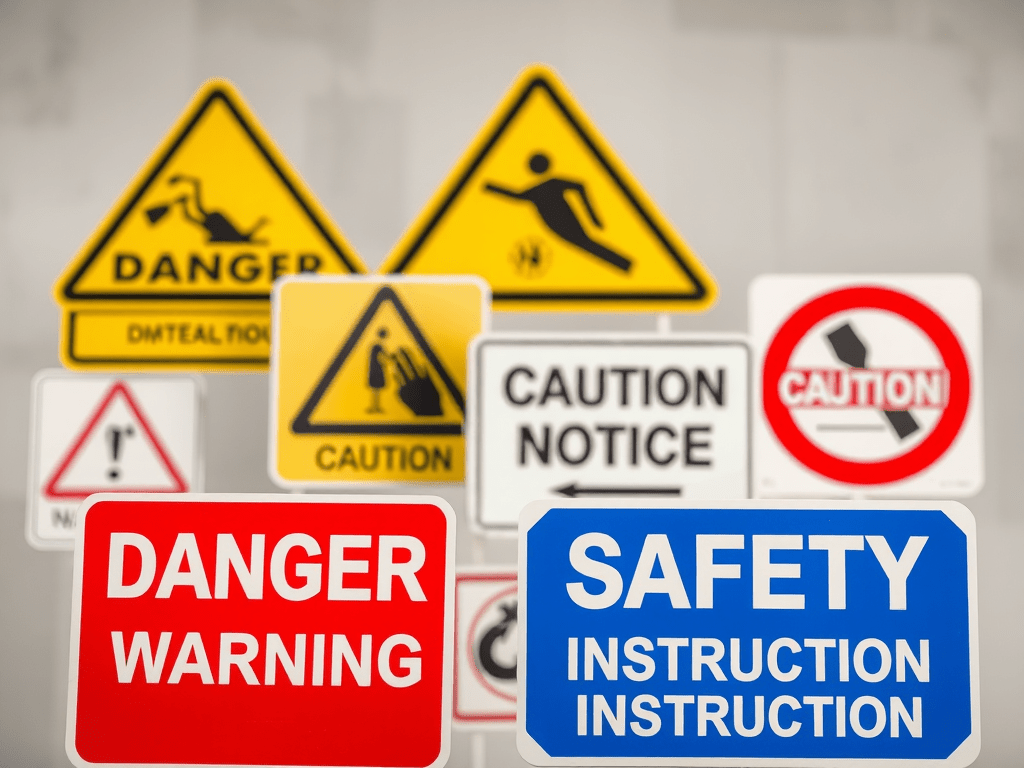
How Safety Signage Improves Hazard Communication and Employee Awareness Workplace safety signs play a key role in visual hazard communication. They guide behavior, support emergency response, and help ensure that safety messages are accessible across shifts, languages, and learning styles. Even when formal training has been completed, employees need ongoing…
-
The Case for Custom Workplace Signs in Complex Environments
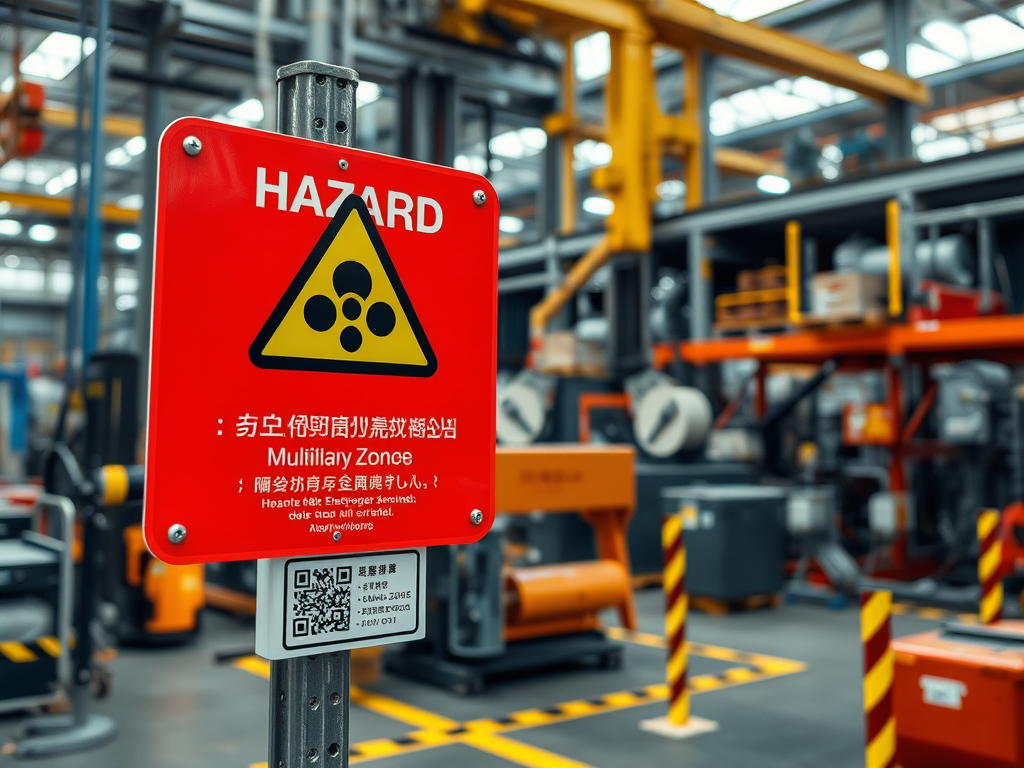
Custom industrial labels improve safety by effectively communicating specific hazards and protocols in dynamic environments, addressing shortcomings of generic signs. They enhance compliance, clarity, and performance, ensuring safety information is visible and understandable across multilingual teams and varied conditions.
-
The Importance of Floor Marking for Hazard Awareness
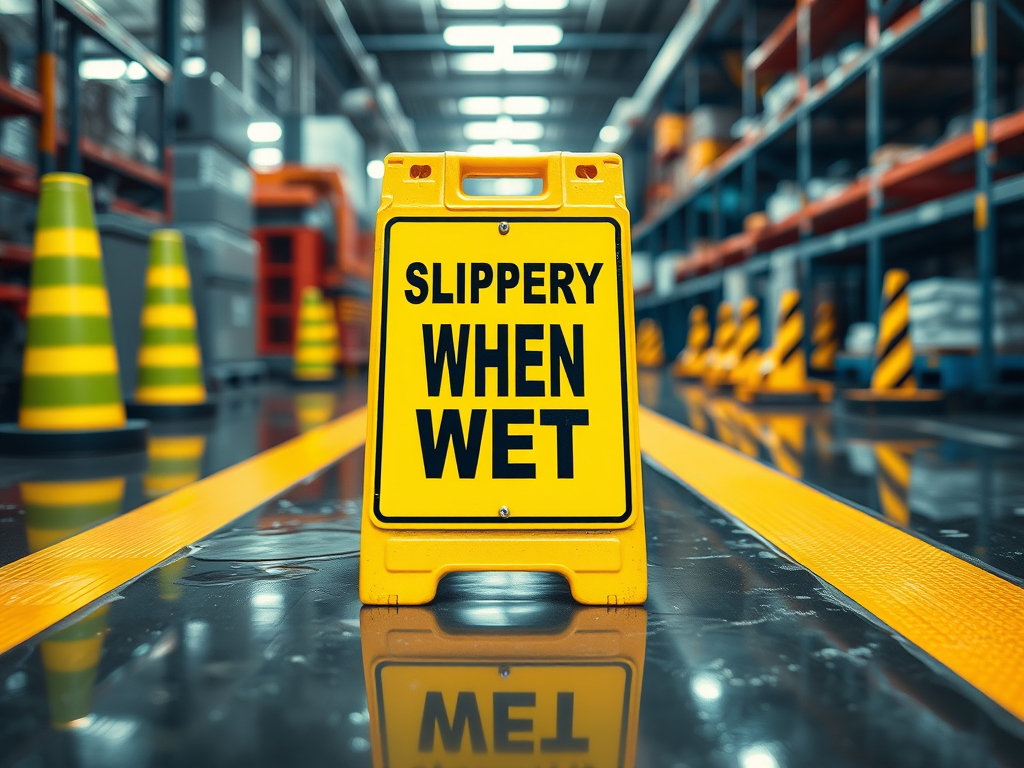
“Slippery When Wet” signs and floor markings significantly reduce workplace injuries caused by slips, trips, and falls. Clear, visible signage alerts individuals to hazards, while effective training and custom signage further enhance safety awareness, promoting safer work environments overall.
-
The Power of Custom Safety Signs in OSHA and ANSI Compliance
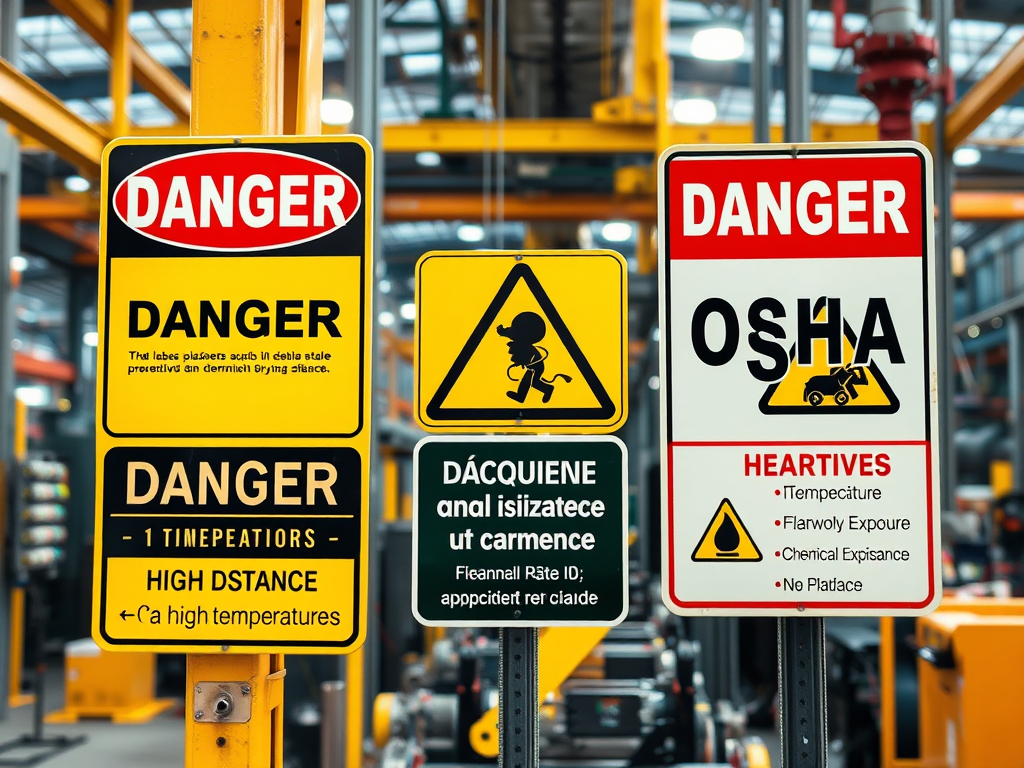
Why Your Facility Needs ANSI-Compliant Danger Workplace Signage to Meet Standards Custom signage plays a critical role in workplace safety compliance across U.S. industries. During inspections by the Occupational Safety and Health Administration (OSHA), one of the first things inspectors check is the condition and clarity of signage. For facilities…
-
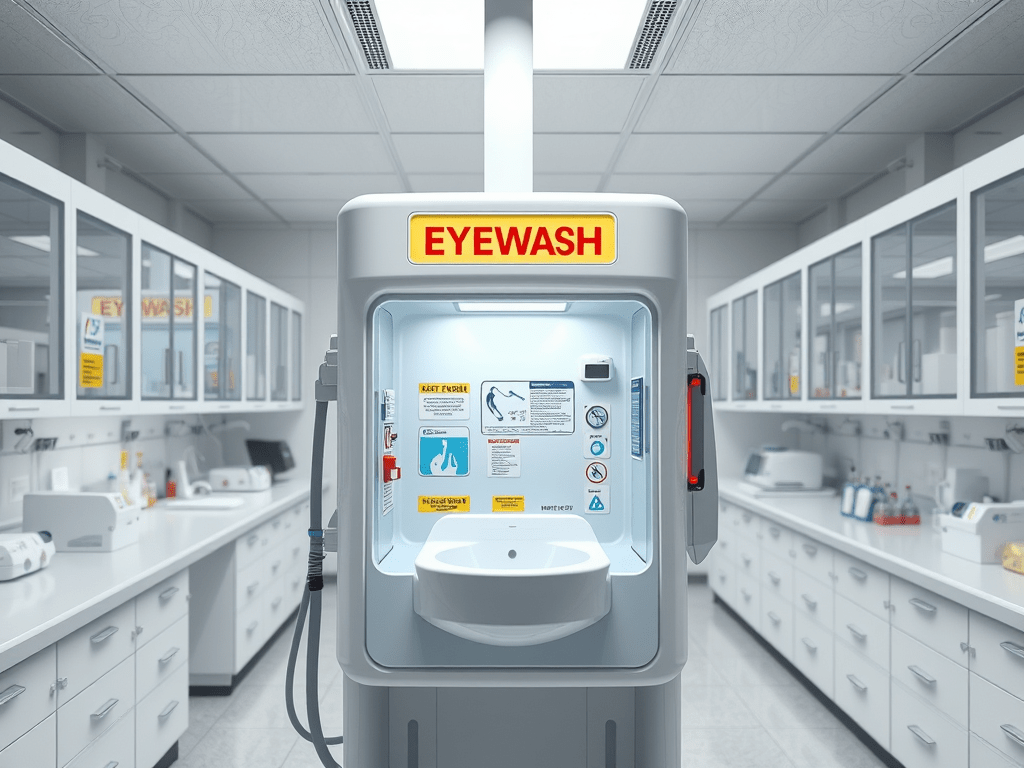
How to Improve Eyewash Station Safety in Healthcare Workspaces
In high-risk environments, eye injuries are common but preventable with improved labeling and safety protocols. Effective eyewash station visibility and consistent signage can significantly enhance emergency responses and overall eye safety in clinical labs and sterile processing departments.
-

What New HVAC Codes Means for A2L Refrigerants in 2025
What Are A2L Refrigerants? A2L refrigerants are a class of chemicals defined by ASHRAE Standard 34 as having low toxicity and mild flammability. Examples include R-32, R-454B, and R-1234yf. These refrigerants are gaining traction because they offer a significantly lower global warming potential (GWP) compared to older refrigerants like R-410A and R-404A. …
-
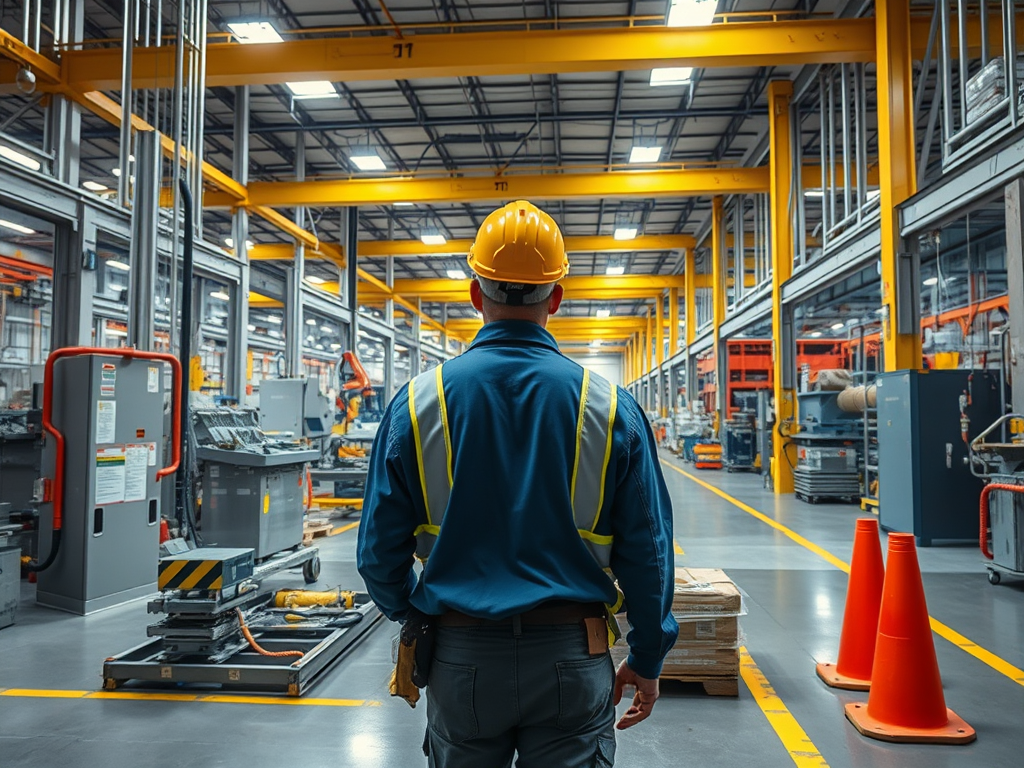
How to Build a Culture of Safety in Manufacturing Facilities
Building safety is crucial in preventing workplace hazards and incidents. Regular inspections, maintenance, and effective communication through signage help identify risks and ensure compliance. A strong safety culture encourages accountability among employees, reducing injuries and operational disruptions.
-
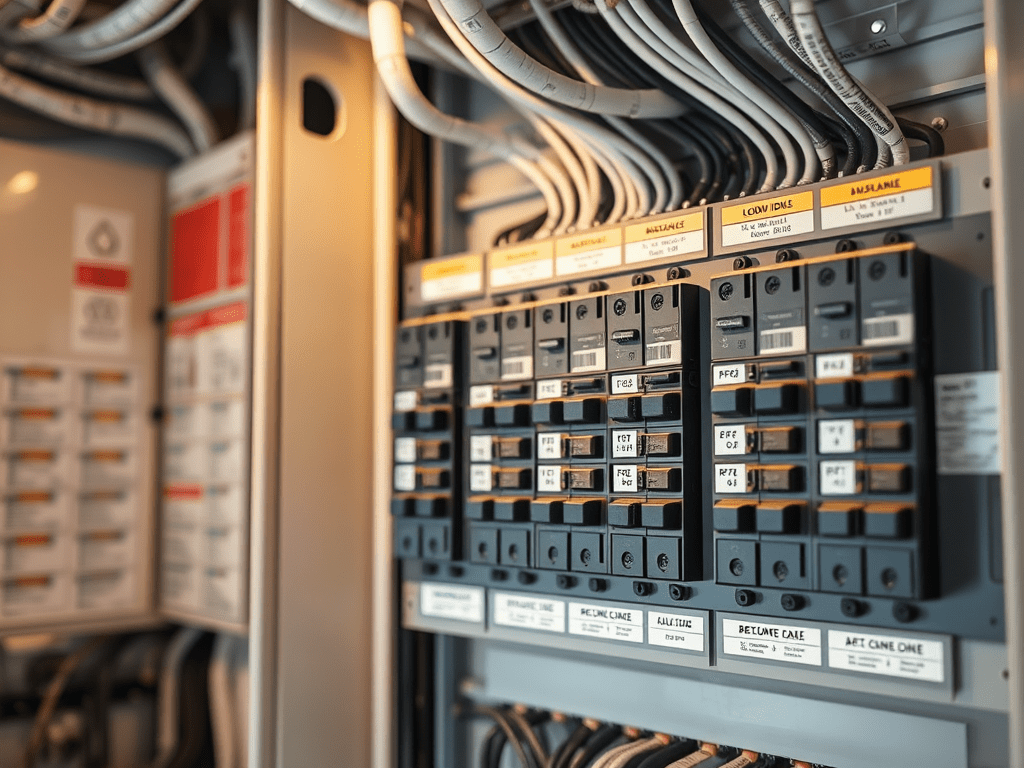
Optimize Your Electrical Workflow with Proper Labels
Clear and durable labels are vital in electrical work, enhancing efficiency, simplifying circuit management, and ensuring compliance with standards. They help reduce errors, streamline maintenance, and improve overall system reliability.
-

Best Practices for Electrical Wiring and Labeling
Electrical failures cause significant safety hazards, resulting in thousands of injuries and deaths annually. Best practices in wiring, grounding, and labeling can enhance safety and prevent electrical mishaps.
 Nicole Johnson