Category: Blog
-
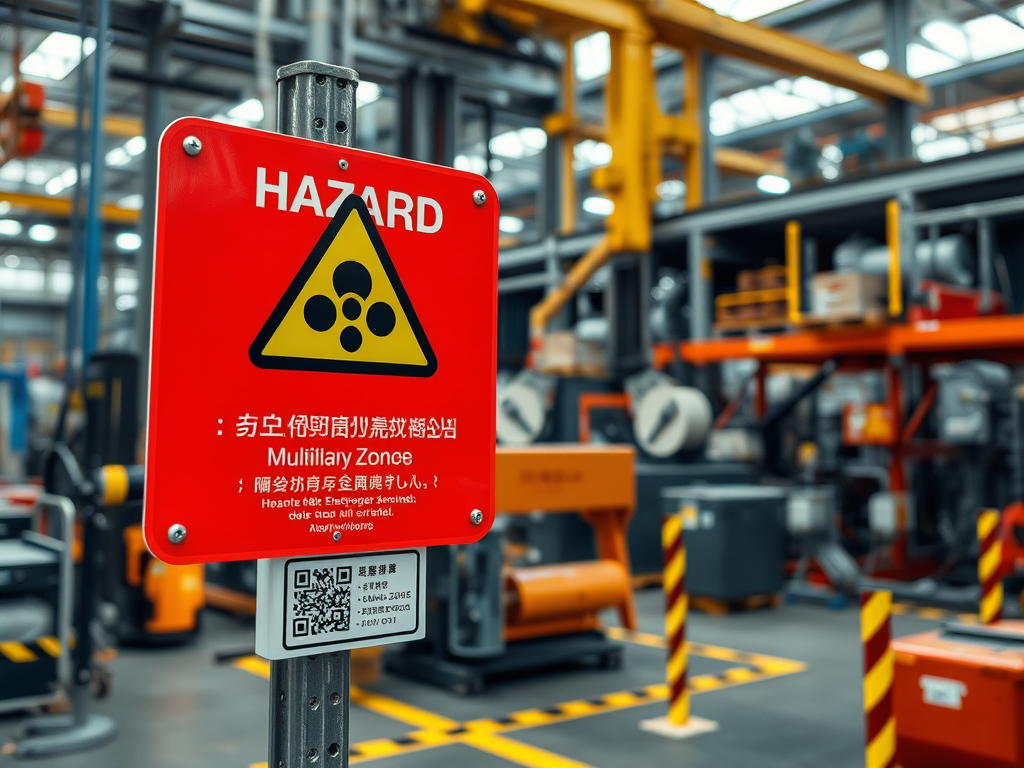
The Case for Custom Workplace Signs in Complex Environments
Custom industrial labels improve safety by effectively communicating specific hazards and protocols in dynamic environments, addressing shortcomings of generic signs. They enhance compliance, clarity, and performance, ensuring safety information is visible and understandable across multilingual teams and varied conditions.
-
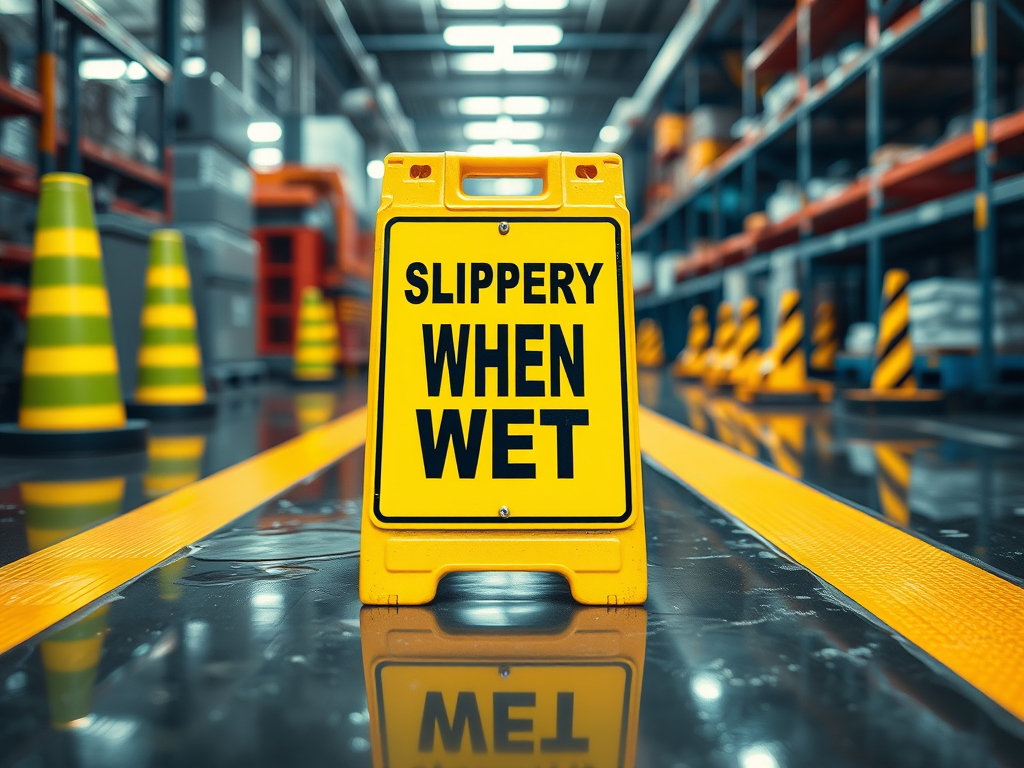
Custom Signage Built Around OSHA ANSI Signs for Safer Workplaces
“Slippery When Wet” signs and floor markings significantly reduce workplace injuries caused by slips, trips, and falls. Clear, visible signage alerts individuals to hazards, while effective training and custom signage further enhance safety awareness, promoting safer work environments overall.
-
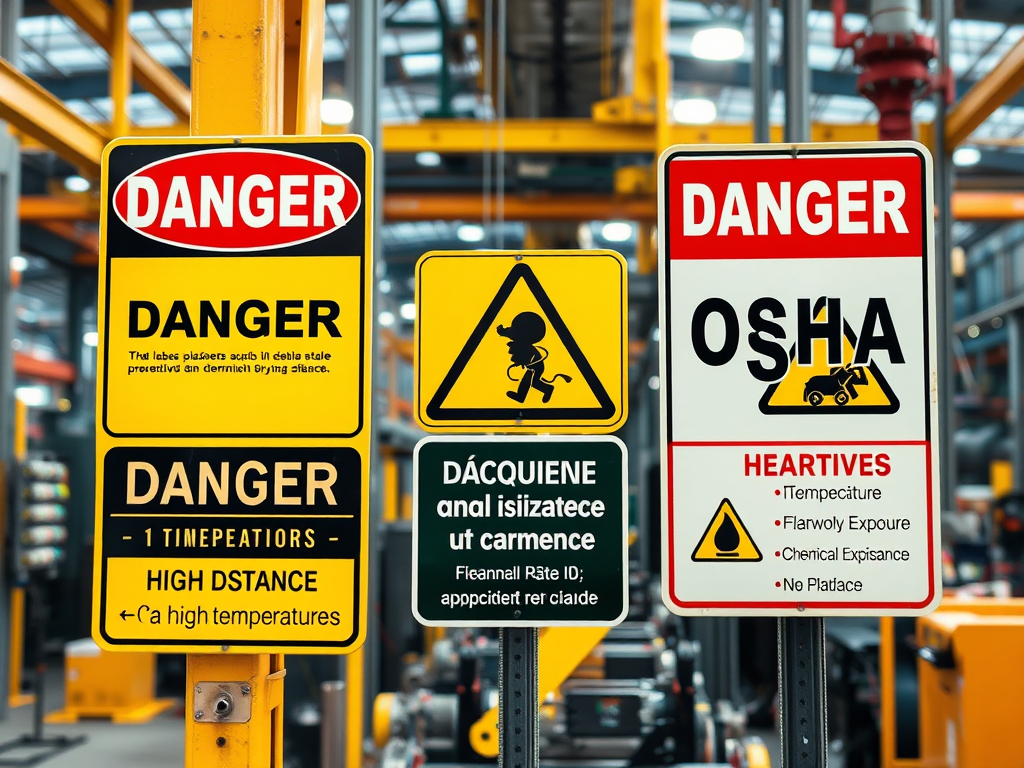
The Power of Custom Safety Signs in OSHA and ANSI Compliance
Why Your Facility Needs ANSI-Compliant Danger Workplace Signage to Meet Standards Custom signage plays a critical role in workplace safety compliance across U.S. industries. During inspections by the Occupational Safety and Health Administration (OSHA), one of the first things inspectors check is the condition and clarity of signage. For facilities…
-

How to Improve Eyewash Station Safety in Healthcare Workspaces
In high-risk environments, eye injuries are common but preventable with improved labeling and safety protocols. Effective eyewash station visibility and consistent signage can significantly enhance emergency responses and overall eye safety in clinical labs and sterile processing departments.
-

What New HVAC Codes Means for A2L Refrigerants in 2025
Standard compliance templates keep your facility legal, but they rarely keep your mechanical systems completely safe on their own. In modern industrial and commercial facilities, transitioning to low-GWP (global warming potential) A2L refrigerants introduces a critical shift from traditional non-flammable systems to mildly flammable chemical profiles. The transition to an…
 Nicole Johnson