-

The Hard Parts
The hardest part of a deep connection is the physical memory it leaves behind. It’s the way a scent or a shadow pulls you back to the start, even when you’re trying to move forward. You can “play it smart,” but the heart doesn’t always follow the rules.
-
Inside the Changes to NFPA 70 Electrical Labeling
What Changed in NFPA 70 Electrical Labeling in 2026? In the current edition of the National Fire Protection Association’s NFPA 70, the National Electrical Code (NEC), most electrical labeling requirements remain consistent, but one key area was clarified and updated. The primary change affects arc flash hazard labeling under Article 110.16, which now requires specific, data-driven information rather than general warning language. These updates clarify how NFPA 70…
-

Winter Safety in Motion with Reflective and Non-Slip Labeling
How Can Facilities Reduce Winter Slip and Visibility Risks? Facilities can reduce winter slip and visibility risks by improving low-light visibility and increasing traction in high-risk areas. Reflective floor markings help workers and vehicles navigate safely in winter darkness, while non-slip labeling adds grip where snow melt and ice make surfaces unpredictable. The sections below…
-

Modern ERP System Adoption and the Shift Away from Legacy Platforms
What’s Driving Modern ERP Adoption in Manufacturing and Warehousing? Manufacturing and warehousing teams are accelerating Enterprise Resource Planning (ERP) system adoption because legacy software no longer meets the speed, accuracy, or integration demands of modern operations. Organizations need real-time visibility, consistent data flow, and scalable systems that support inventory control…
-

Get Ahead of Facility Safety Before Year-End
A focused signage audit uncovers risks, closes gaps, and prepares your facility. As facilities wind down annual operations, it’s easy for visual communication to fade into the background. One of the simplest ways to reinforce safety before the new year is to look at the visual systems that hold…
-
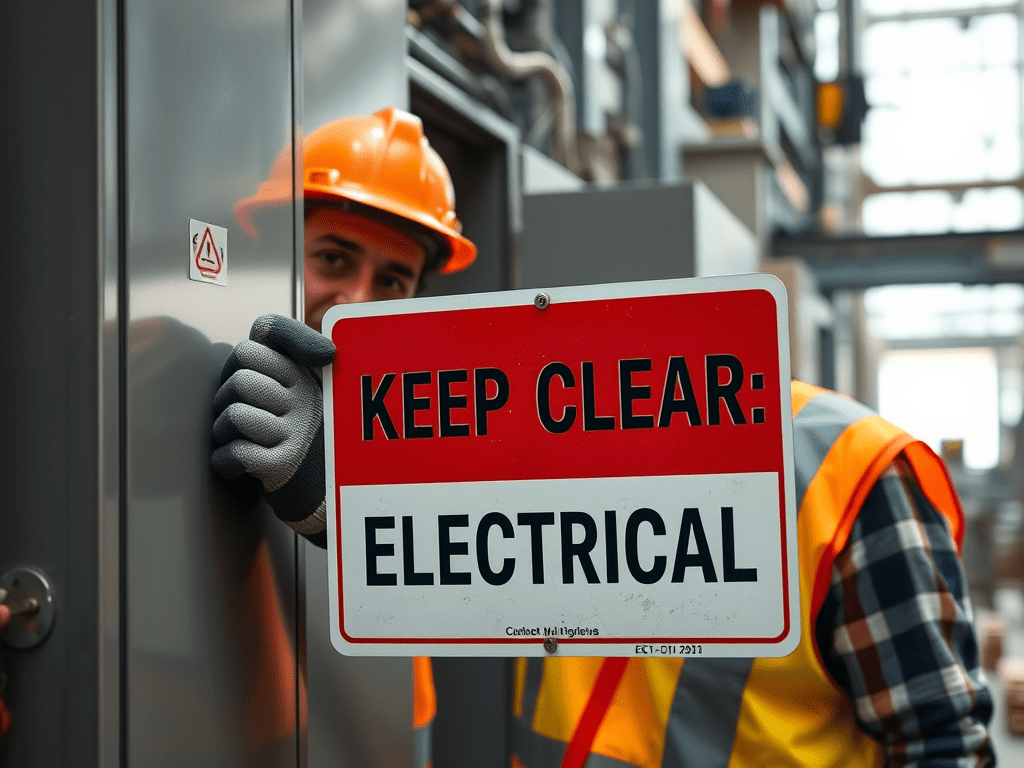
How to Improve Fire Safety with Custom Labels and Signs
Why Does Fire Safety Signage Matter in Every Workplace? Worksites that handle heat, fuel, and high-energy tools face more than visible hazards. A spark from a torch or grinder can land where it shouldn’t, and within seconds, smoke and confusion replace control. Even skilled crews can lose their bearings when…
-
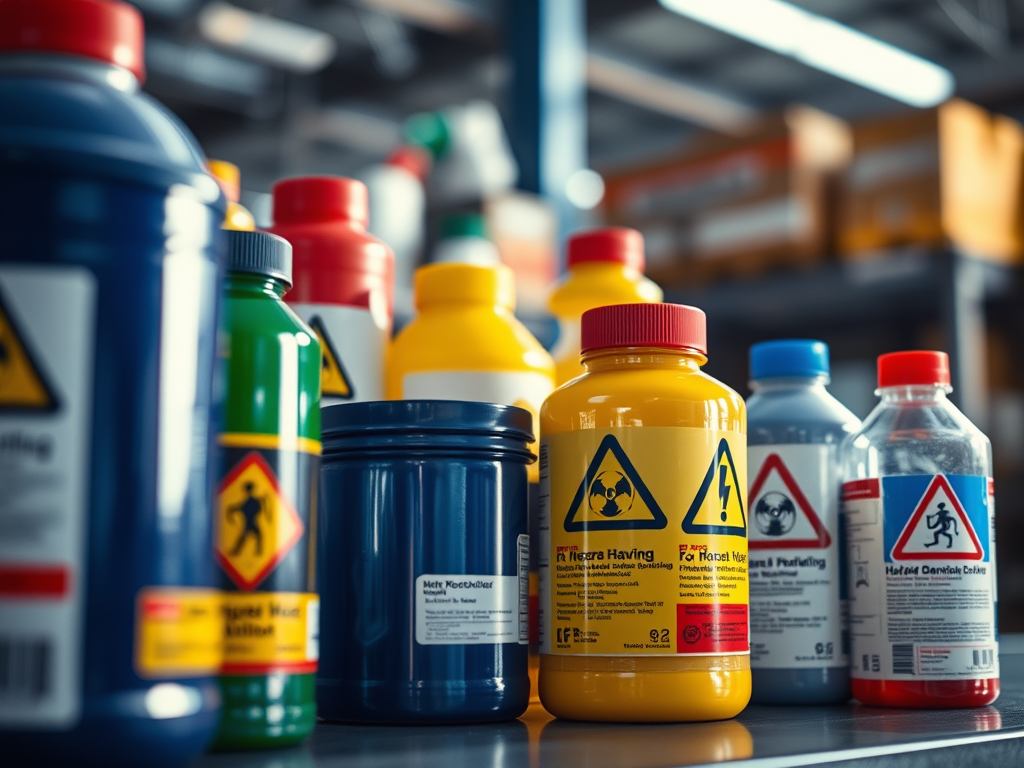
Durable Labels Key to Chemical Safety Compliance
Guess who’s in Occupational Health & Safety magazine? 🙋♀️ I got to write about chemical safety and how something as small as a label can make a huge difference. When a warning label fades, peels, or rubs off, that “tiny” detail can slow down first responders, confuse workers, and even…
-

What the Walls Remember
Some houses hold the kind of quiet that never leaves. This one’s for anyone who grew up learning to read that quiet. It’s not about forgiveness. It’s about what stays after the noise is gone.
-
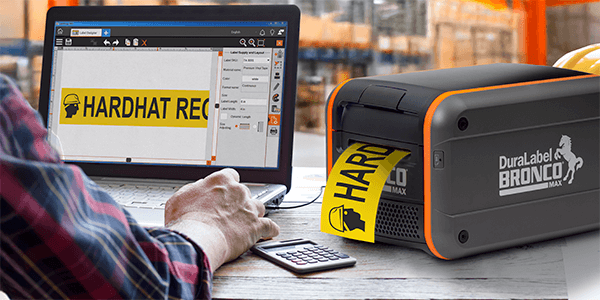
Why Now Is the Right Time to Invest in a Bronco Max Industrial Label Printer
Can Facility Maintenance Teams Afford to Skip Labeling? Facility maintenance touches every corner of a workplace, from electrical rooms and boiler areas to stairwells and storage spaces. These environments carry a wide range of risks, including energized equipment, chemical exposure, and blocked exits. When hazards aren’t clearly marked, those risks…
-

Achieve IUID Compliance with Thermal Transfer Printing
What is the Goal of the IUID System? The Item Unique Identification (IUID) or MIL-STD-130 standard was created by the Department of Defense (DoD) to ensure every asset is traceable across its entire lifecycle. By assigning each item a unique identification code, the system improves accuracy in tracking, speeds up…
-
Subscribe
Subscribed
Already have a WordPress.com account? Log in now.
 Nicole Johnson