The history of black history month
As we approach the end of Black history month, we have heard about all things black. From black restaurants, educators, actors, people on the street and even have seen quotes about those who are no longer with us. Have you ever stopped to think about why? Why are we being immersed in the culture? Well, to put it simply. We have a long standing history in this country.
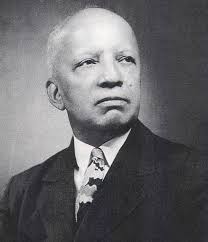
Black history month started as a single week in February 1926 by Historian Carter G. Woodson, and his non-profit organization Association for the Study of Negro Life and History. Woodson believed Americans needed to be educated on black successes and culture and suggested we make the second week of February “Negro History Week”.
Woodson paved the way for many African Americans. With the creation of his organization in 1915, they promoted, researched, preserved, interpreted, and disseminated information about Black life, history, and culture to the global community. Based on the research of Woodson and other scholars, there was a path paved to create a program with enough curriculum to educate other black students in the 1960s and 70s.
It wasn’t until 1976 when former President Gerald Ford said that a single week wasn’t long enough to celebrate black culture and success and decided to officially created the Black History Month that we have today.
Ford said, “seize the opportunity to honor the too-often neglected accomplishments of Black Americans in every area of endeavor throughout our history.” He fought hard during his one-term presidency to combat all forms of discrimination.
Ever since the days of slavery and the village raids in Africa that forced many men, women and children onto boats to serve their entire lives in servitude of white people, black people have stumbled to get ahead in life. The abolishment of slavery may have started with former President Abraham Lincoln in 1863, but it didn’t end there, it took the Civil War for it to be set in stone and free all slaves after 246 years of service.
It has taken a long time to get to where we are today. A long road of struggles and new people coming in to take the reins from their predecessors. We have a whole month to celebrate a number of folks that have paved the way for us to achieve some semblance of equality.
We choose to celebrate through our music, films, church, peaceful protests, educating one another, cook outs, and supporting each other’s successes.
Black people aren’t the only people who have their own holidays, there are also holidays for various religions too. America is the melting pot of the world. People from all walks of life live here. We should celebrate everyone. In the words of the late poet Maya Angelou, “Love recognizes no barriers. It jumps hurdles, leaps fences, penetrates walls to arrive at its destination full of hope.”
Religious holidays
- Feb. 14, Valentine’s Day—named after an early Christian martyr October 31,
Oct. 31, Halloween—the evening before All Saints or All Hallows Day, a day commemorating all the saints of the church
December 24 and 25, Christmas Eve and Christmas Day—the celebration of the birth of Jesus Christ - February 16, Mardi Gras—the day before the Christian season of Lent begins in late winter — is a big occasion in New Orleans, Louisiana, where huge parades and wild revels take place. Mardi Gras means “Fat Tuesday,” the last day of hearty eating before the penitential season of Lent.
- February 17, Ash Wednesday, beginning of Lent—beginning on Ash Wednesday, Lent is a season of reflection and preparation before the celebrations of Easter. Christians replicate Jesus Christ’s sacrifice and withdrawal into the desert for 40 days. Lent is marked by fasting, both from food and festivities.
- Ramadan, April 12-May 12—the ninth month of the Muslim year, during which strict fasting is observed from sunrise to sunset.
Culture
- February—African American History Month
- March—Irish-American Heritage Month
- May—Asian Pacific Heritage Month
- May— Jewish American Heritage month
- September 15 to October 15— National Hispanic Heritage Month
- November—Native American Heritage month
 Nicole Johnson
Leave a comment